
From Camper to Caretaker: Quincyan Sarah Dodd Is Giving Back to the Place That Helped Her Thrive With Diabetes
Camp Hickory Hill gave Sarah Dodd more than a summer away from home. It gave her confidence, independence and the knowledge that diabetes did not have to define the limits of her life. Years later, she is helping make sure the same experience remains available to the children coming after her.
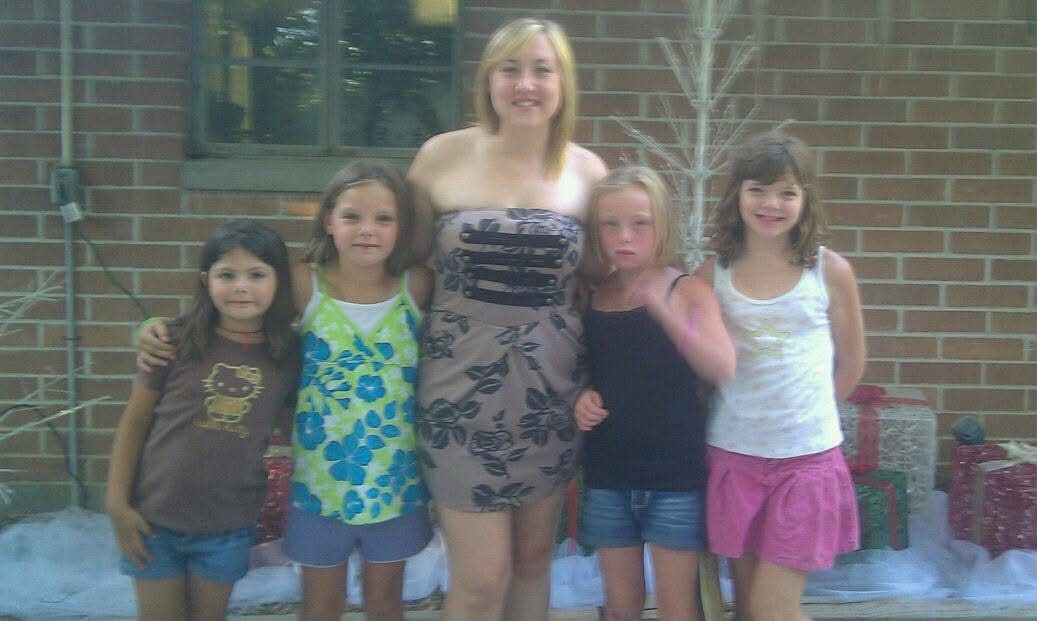
For Sarah Dodd, Camp Hickory Hill was never just a place to spend a week in the summer. It was a place where living with diabetes felt normal.
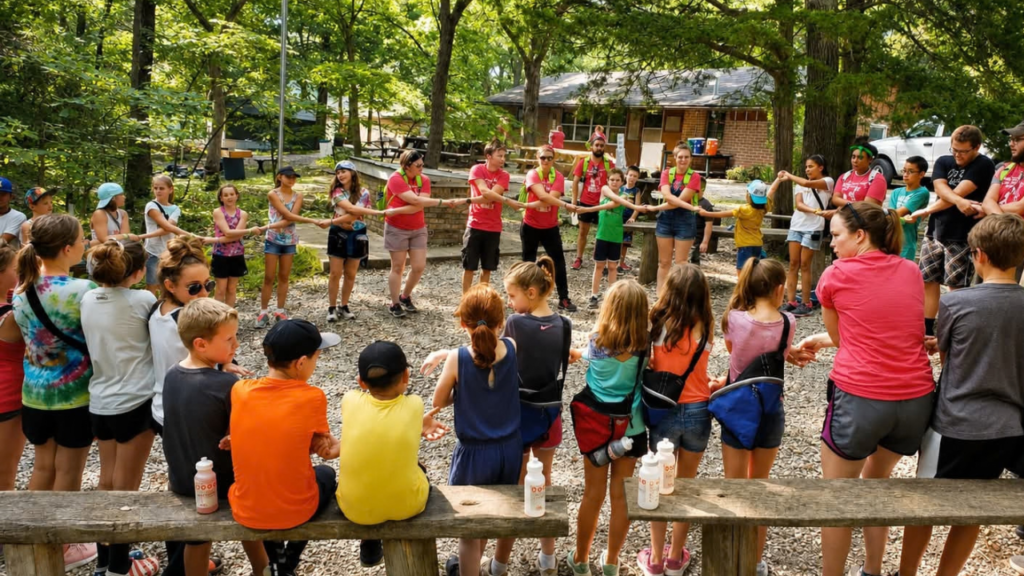
As a child, Dodd attended the camp north of Columbia, Missouri, where young people with Type 1 diabetes are surrounded by other children facing many of the same daily challenges: checking blood sugar, managing insulin, thinking about food and exercise, and learning how to balance all of it with simply being a kid.
That experience stayed with her.
Now, years later, Dodd has continued giving back to the camp that she credits with helping her build the confidence and habits necessary to live a healthy, active life with diabetes.
She has donated her time, helped with maintenance and supported efforts to keep the property ready for another generation of campers.
For Dodd, the work is personal.
Camp Hickory Hill exists specifically to help children and teens with Type 1 diabetes develop independence, self-reliance and confidence while receiving around-the-clock medical support. The camp says its mission is not simply to provide recreation, but to help young people acquire the skills needed to manage diabetes successfully while living full and active lives. Camp Hickory Hill
That is exactly what Dodd remembers taking away from her own time there.
A place where diabetes becomes normal
For many children, diabetes can make them feel different long before they fully understand the disease itself.
School, sports, sleepovers and even meals can come with calculations and routines their friends do not have to think about.
Camp Hickory Hill was designed to change that environment. 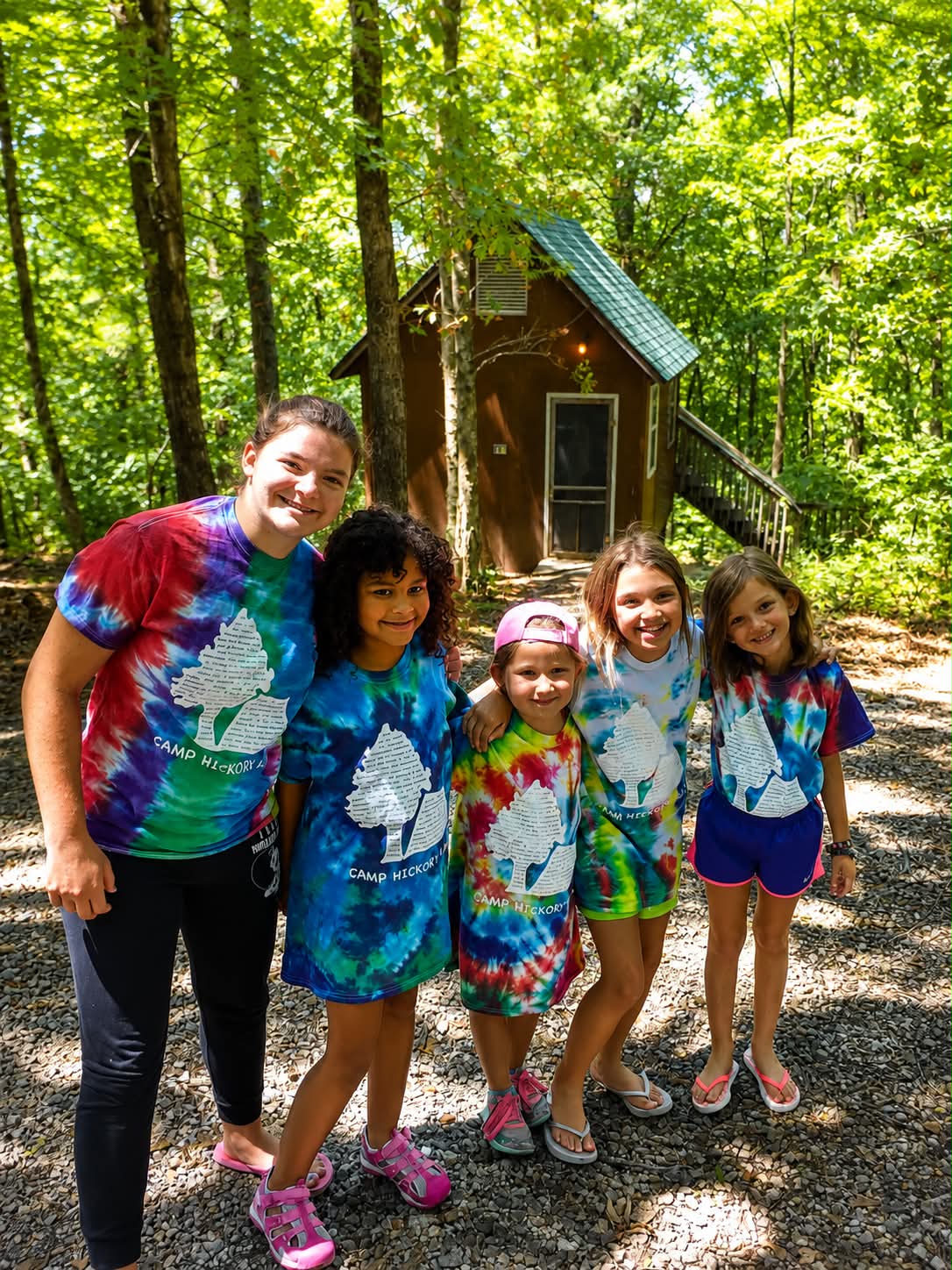
At camp, checking blood glucose or managing insulin is not unusual. Other campers are doing the same thing. Medical professionals are available around the clock, and diabetes management is built into ordinary camp life rather than treated as something that sets a child apart.
Campers swim, hike, climb, play sports, sit around campfires, fish, participate in arts and crafts and take on outdoor challenges while learning practical skills such as carbohydrate counting, recognizing blood-sugar patterns and making informed decisions about their own care.
For a young person with diabetes, that can be transformative.
Camp Hickory Hill describes one of its greatest benefits simply: children discover that they are not alone.
Dodd experienced that firsthand.
Rather than seeing diabetes only as a limitation, camp helped show her that it could be managed while still allowing room for adventure, independence and an active life.
Coming back to give something in return
Many campers leave with lifelong friendships.
Dodd left with something else as well: a lasting sense of responsibility toward the place that had helped her.
Over the years, she has returned not simply as an alumna, but as a supporter willing to put in the work needed to keep the camp going.
That includes donating time and helping with the less glamorous side of camp life, upkeep, maintenance and the constant effort required to preserve cabins, grounds and activity spaces for the children who arrive each summer. It is the kind of work most campers never see. But it matters.
Camp Hickory Hill sits on a large wooded property near Columbia, with cabins, trails, recreational areas and outdoor facilities that require regular maintenance. Donations also help cover medical care, supplies, scholarships, meals, lodging, equipment and property improvements.
For Dodd, maintaining those spaces means preserving something larger than buildings and trails. It means preserving the experience.
More than 50 years of helping children
Camp Hickory Hill has been serving children with diabetes since 1972. It was founded by Dr. Ronald James, whose own experience with diabetes helped inspire him to create a place where children could feel understood and supported rather than isolated by their diagnosis.
Today, the camp continues to serve children and teens with Type 1 diabetes in separate age-group sessions and maintains a full medical team on site. Its program combines traditional summer-camp experiences with diabetes education and medical supervision.
Perhaps most significantly, Camp Hickory Hill says it is the only diabetes camp in Missouri that does not turn a child away because a family cannot afford the full cost of attending. Scholarships and income-based assistance help make that possible. That means much of what keeps the camp operating depends on donors and volunteers. People like Sarah Dodd.
Passing along confidence
There is something fitting about a former camper helping maintain the same place where she once learned how to manage her own health.
When Dodd arrived there as a child, adults and volunteers had already done the work necessary to make the experience possible for her. Someone made sure a child living with diabetes could spend a week feeling less like a patient and more like every other kid at summer camp.
Now Dodd has become one of those people.
Her story represents the kind of legacy organizations such as Camp Hickory Hill hope to create: a child comes to camp needing confidence and community, grows into an adult capable of managing the disease, and eventually returns to help provide that same opportunity to someone else.
For Dodd, the lessons of Camp Hickory Hill did not end when summer camp ended. They followed her home.
And years later, she is helping make sure they remain there for the next child who needs them.