
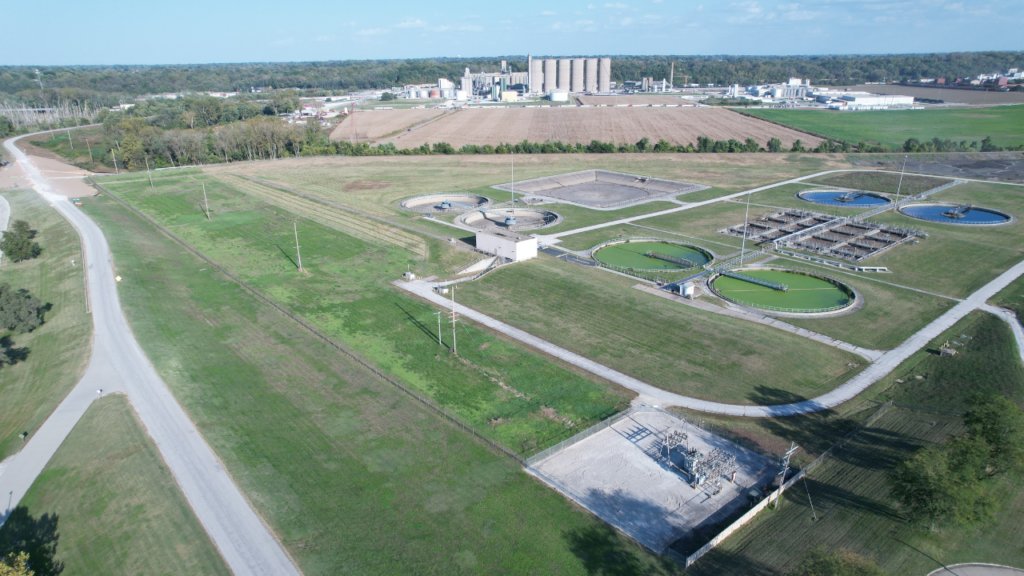
Quincy City Council Approves $2.9 Million Wastewater Solar Project, City Share About $480,000
QUINCY, Ill. The Quincy City Council has approved a nearly $2.9 million solar project at the city’s wastewater treatment plant that officials say could reduce the facility’s electricity costs by approximately $80,000 annually after maintenance expenses.
Before the vote, Alderman Bergman asked Jeffrey Conte to provide council members with an overview of the project and its financial impact. Conte said the majority of the $2.9 million project is being funded through outside grants, including approximately $1.4 million from the federal government and about $1 million in state grant funding. That leaves the city responsible for approximately $480,000 of the overall cost.
Based on projected energy savings, Conte said the solar installation is expected to offset about $80,000 per year in electricity costs after maintenance expenses are taken into account. With the city’s remaining investment at approximately $480,000, the estimated payback period is about six years.
The solar panels are expected to have a lifespan of approximately 20 years, potentially giving the city many additional years of electrical savings after the initial investment has been recovered.
During the discussion, Bergman also asked about the performance of the city’s solar project at Quincy Regional Airport.
Conte told the council that the airport project is proving successful and is actually producing more electricity than originally anticipated. The same company responsible for that project will complete the wastewater treatment plant installation.
The performance of the airport system gave council members a local example of how the technology is already operating within another city facility before considering the larger wastewater treatment plant project.
Flooding was another issue raised during the discussion because of the wastewater treatment plant’s location.
When asked what would happen to the solar installation in the event of a flood, Conte said the city’s insurance may provide coverage. He told council members he would investigate the issue further, including whether a separate insurance policy should be considered for the solar equipment.
The company installing the system will also have an agreement to maintain the project for 10 years.
Council members ultimately voted to move the project forward, with 10 votes in favor.
The combination of federal and state grants significantly reduces the amount Quincy will have to invest directly in the project. If the system performs as projected, the city could recover its approximately $480,000 investment through energy savings in about six years, while the panels themselves are expected to remain in service for roughly two decades.
The project will now move ahead as another major solar installation on city property, following the system already operating at Quincy Regional Airport.